
Foundation Cracks — When to Worry
A crack in your foundation? How to read it, when to call, what to watch for. Homeowner's guide by Imperméabilisation G.S.V., 30+ years in Lanaudière.
Found a crack in your foundation? Read this before you panic — or procrastinate
Foundation cracks are common in Quebec. Most homes develop at least one within their first twenty years, from freeze-thaw cycles, soil settlement and groundwater pressure. Most are harmless. A few are serious. This page helps you tell the difference before you call a contractor or sign a quote.
If you'd rather understand the repair work itself — polyurethane vs epoxy injection, diagnostic workflow, warranty, full process — see our foundation crack repair page. Here we focus on what you can see: what your crack looks like, and what it means.
Five crack patterns you might see — and what each one means
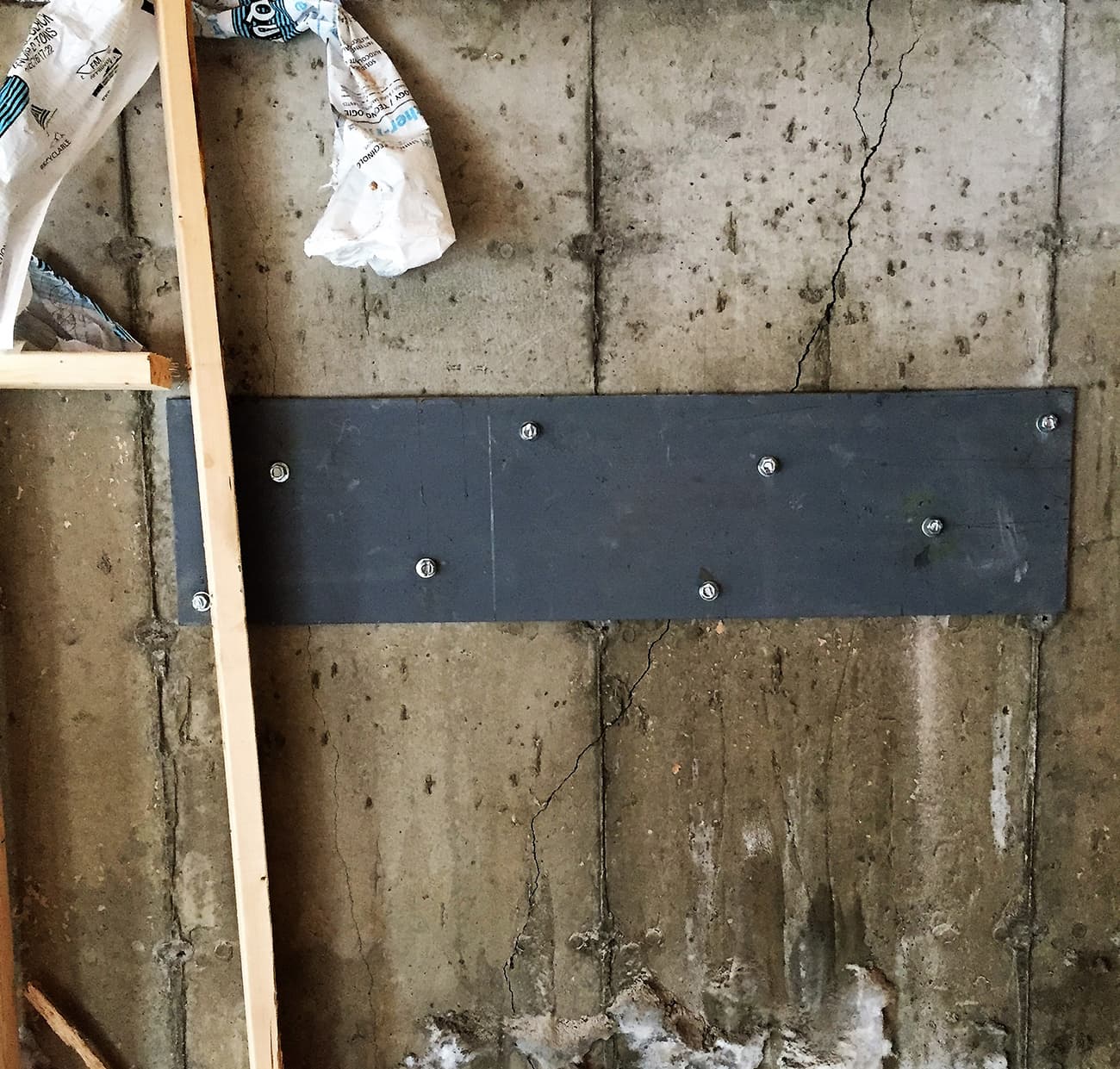
1. The fine vertical crack (hairline, under 2 mm) — the most common and least worrying. It shows up one to five years after construction, usually above a window or mid-wall, from normal concrete shrinkage as the foundation cures. Without water infiltration, it can wait. With infiltration, it's an easy injection fix.
2. The wide vertical crack (over 3 mm) or one that's widening — watch it closely. Draw a pencil mark across it and check every three months; if the mark separates, the crack is active. An active crack means the concrete is still moving — figure out why (differential settlement, freeze-thaw, load?) before sealing, or it will just reappear somewhere else.
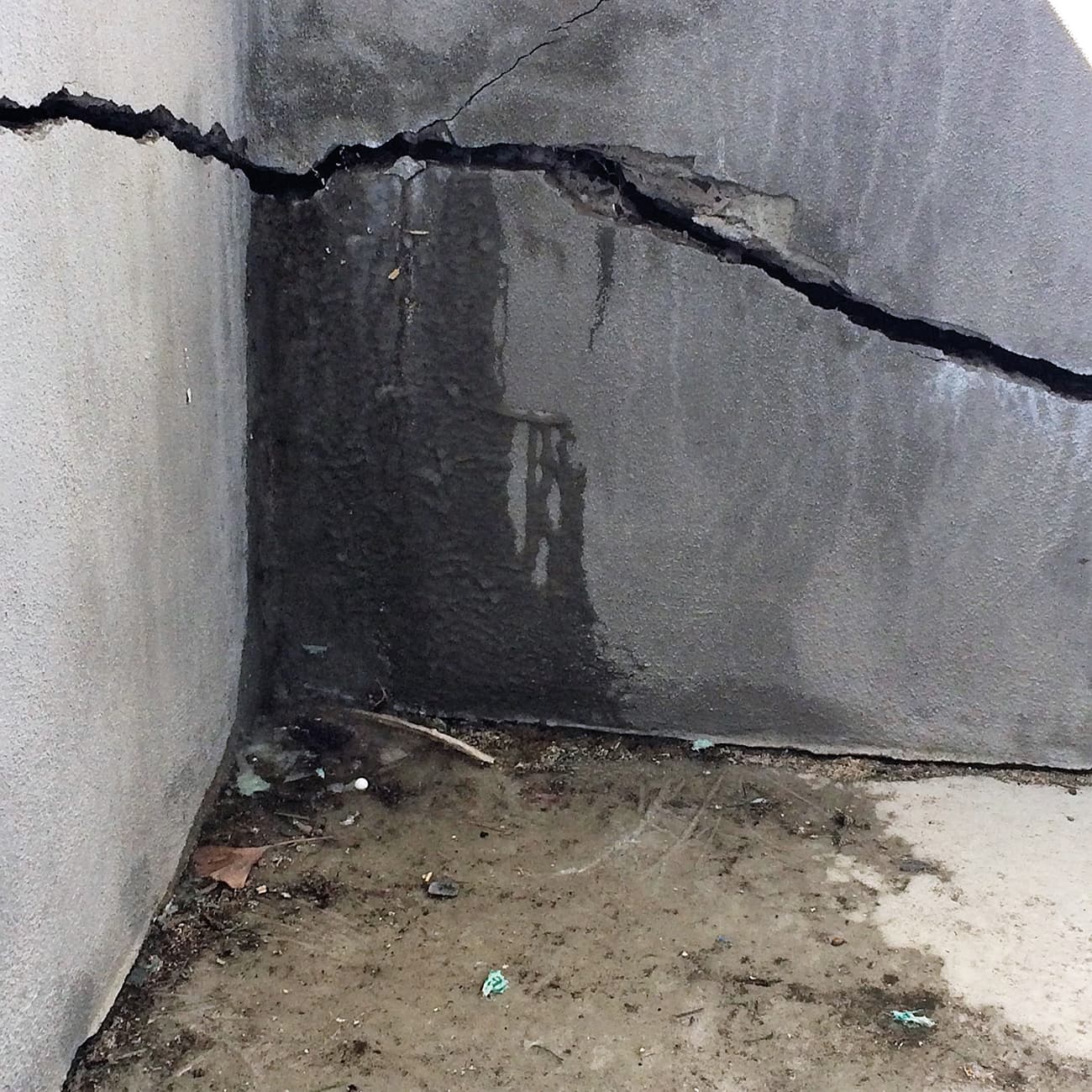
3. The horizontal crack, especially at wall mid-height — the most serious pattern. It indicates excessive lateral pressure from the soil (often clay saturated with water) pushing against the foundation. Without intervention, the wall may keep deforming or bow inward. Worth a quick assessment, ideally with a measurement of the interior wall's plumb.
4. The stair-step crack in a block wall — typical of concrete-block foundations when the soil settles unevenly. Not urgent if stable, but worth monitoring. Repair usually means exterior drainage and structural reinforcement, not just injection.
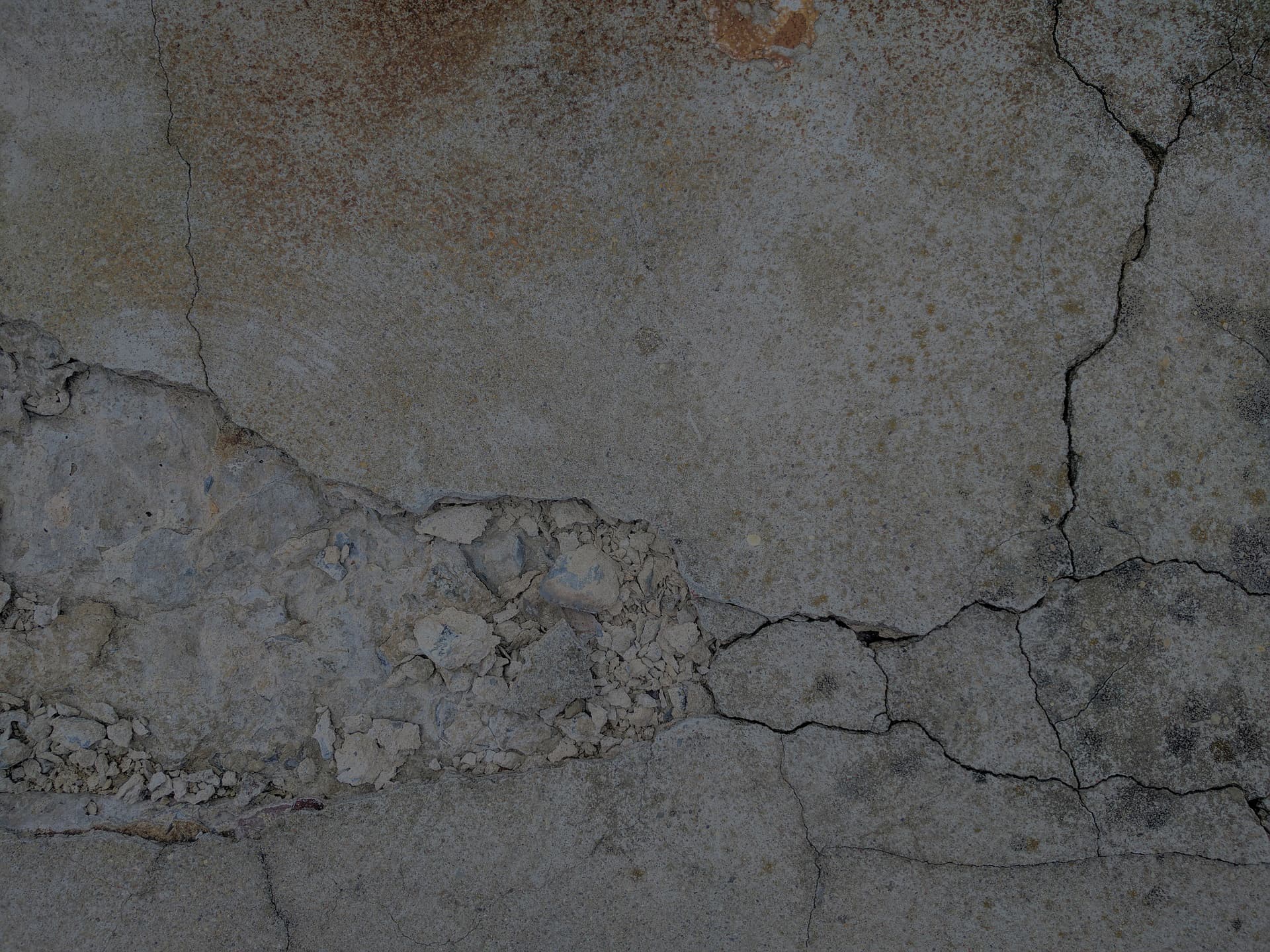
5. The star-shaped or map-cracking pattern on a basement slab — can signal pyrite if you're in certain areas (Mascouche notably) or simply dry shrinkage. The pyrite test (CTQ-M-200) settles it in the lab. See our pyrite foundation page if you suspect that diagnosis.
Our projects
Frequently asked questions
Not sure what you're looking at? A photo and a phone call go a long way
Send us a photo of the crack (with something for scale — a coin works fine) at 514.909.1422 or through our form. We'll tell you honestly whether it's urgent, worth monitoring, or harmless — free, no pressure to book a visit right away.
Why choose Imperméabilisation GSV?
- Over 30 years of experience
- Free, no-obligation estimate
- RBQ Licence: 5596-4496-01
- APCHQ, RECQ, Réno-Maître certified
- Warranty on all work
Need a free quote?
Fast, professional service in Lanaudière, Laurentides, and Rive-Nord